
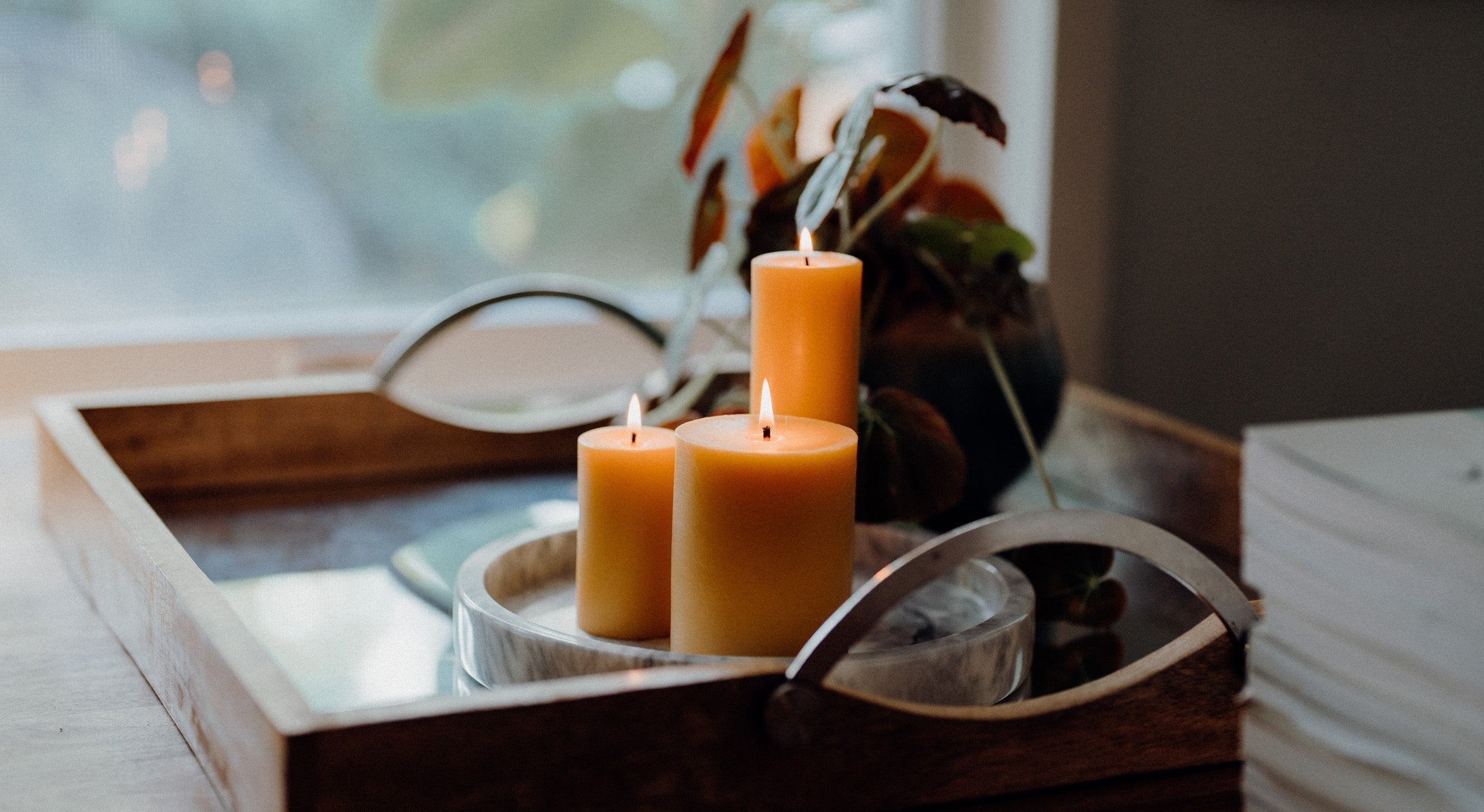
Candle health myths, debunked: How to burn clean and breathe easy at home
Candles set the mood fast. Soft light, a favorite scent, and suddenly the room feels calmer. Yet the internet is full of mixed messages about whether candles are healthy, which wax is best, and how to burn them safely.
This guide clears the air with practical, ingredient-forward advice. You will learn what clean-burning really means, how wick choice affects soot, how to burn any candle more cleanly, and how to match wax types and scenting to your space. We will also share simple adjustments for fragrance-sensitive households and pet-aware burning.
Along the way, you will find gentle, natural options handcrafted by Sunbeam Candles in a solar-powered New York workshop, packaged with eco care and scented only with essential oils or natural botanical fragrances where noted.
What clean-burning actually means
Clean-burning is not a marketing buzzword. It describes a candle that, when burned correctly, produces minimal visible smoke and soot, and avoids unnecessary additives. Three things matter most:
-
Wax: High-quality beeswax or plant-based blends typically burn with less soot than low-grade paraffin blends.
-
Wick: A properly sized, 100% cotton, lead-free wick helps maintain a steady flame and efficient melt pool.
-
Burn technique: Trimming the wick to about 1/4 inch, letting the first-burn melt pool reach the edges, and avoiding drafts all reduce incomplete combustion and smoke.
Even a well-made candle will smoke if the wick is too long or gusts make the flame dance. Technique and environment are half the equation.

Wick choice matters more than you think
Wicks are the engine of a candle. Cotton, lead-free wicks are the standard for a clean burn. Oversized wicks can run hot, create mushrooming at the tip, and throw soot. Undersized wicks may drown in wax and tunnel. Makers match wick size to wax formula and diameter, but your care finishes the job. Trim to 1/4 inch before each lighting, and if you see a carbon cap forming, extinguish, trim, and relight.
The safe-burn checklist for cleaner air
Good habits make a visible difference in air quality and longevity.
-
First burn: Plan for 1 hour per inch of diameter to set a full melt pool and prevent tunneling.
-
Trim: Keep the wick at ~1/4 inch before every light to reduce smoke and mushrooming.
-
Placement: Avoid drafts from windows, fans, and vents; burn on a stable, heat-safe, level surface.
-
Space: Give candles a few inches of clearance so heat can circulate.
-
Extinguish: Dip the wick into its melt pool with a wick dipper or a metal tool, then straighten it. This minimizes smoke on blow out.
-
Ventilate: After enjoying a candle, crack a window for a few minutes to refresh indoor air.

Beeswax vs soy vs apricot-coconut-soy
Each wax has strengths. Your “best” candle depends on priorities like scent style, burn time, and sensitivity.
Beeswax
-
Performance: Naturally dense, slow-burning, and steady, with a gentle honey aroma even when unscented.
-
Air clarity: Often noted for low visible soot when properly wicked and trimmed.
-
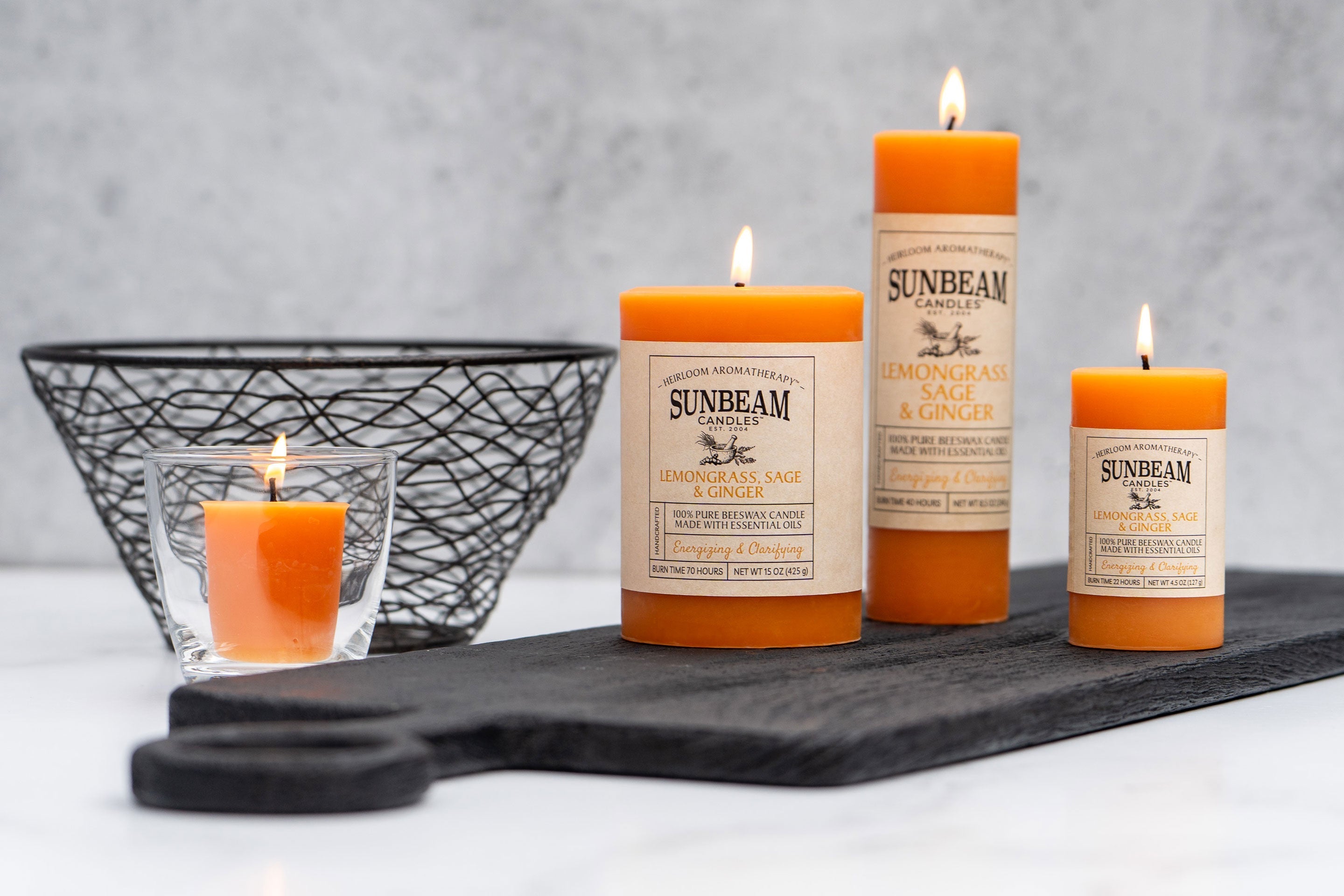
Best for: Dining tables, meditation, and sensitive noses. Explore classic pillars, tapers, votives and tealights, and beeswax pillars.
Soy blends
-
Performance: Smooth, approachable everyday ambiance in glass containers; good scent throw with essential oils and botanical fragrances.
-
Vessel reuse: Amber glass containers are easy to clean and repurpose.
-
Best for: Living rooms and cozy routines, porches and patios. See our everyday amber glass container candles.
Apricot-coconut-soy blends
-
Performance: Silky surface and bright scent expression with botanical profiles.
-
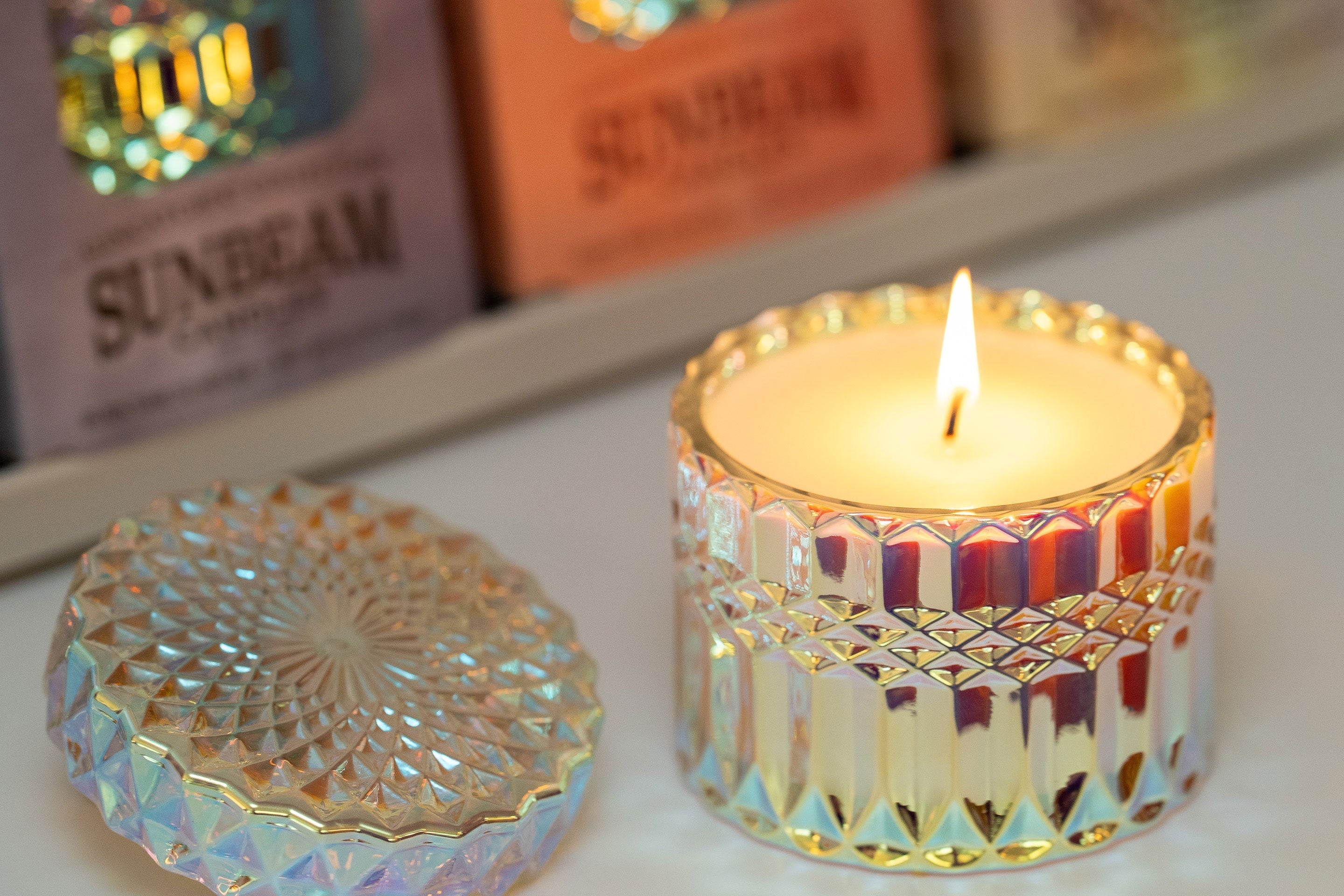
Aesthetic: Iridescent vessels that are reusable and gift-ready.
-
Best for: Cheerful, citrus and floral moods where presentation matters.
No matter the wax, insist on ingredient transparency and a cotton, lead-free wick.
Scenting with essential oils
Essential oils offer a botanical, true-to-plant aroma that is typically gentler than synthetic fragrances. Expect a natural, room-filling effect that is present but not overpowering, especially with beeswax and plant-based blends. If you prefer essential-oil-only options, visit our Heirloom Aromatherapy collection for beeswax and plant-blend choices designed for calm, focused spaces.
Tip: For larger rooms, burn two smaller candles spaced apart rather than one large candle in a corner. Even diffusion is kinder to sensitive noses.

For fragrance-sensitive households
If you or someone at home is scent-sensitive, start with unscented 100% beeswax. The subtle honey note reads clean, not perfumy, and pairs beautifully with food and conversation. Our unscented beeswax basics are a reliable choice for dining and everyday use.
If you enjoy a hint of scent, try a lightly essential-oil-scented beeswax pillar or a small amber glass aromatherapy jar. Burn for shorter sessions, ventilate afterward, and keep candles at a distance from seating.
Pet-aware burning
Candles and pets can coexist with a few precautions:
-
Place candles out of tail range, on stable surfaces, and never leave flames unattended.
-
Choose natural waxes with cotton, lead-free wicks. If using essential oils, burn in well-ventilated rooms and keep pets’ beds, food, and water away from the diffusion area.
-
If your pet shows signs of sensitivity, extinguish and ventilate. When in doubt, consult your veterinarian for guidance.
Straight answers to common questions
Are candles good for your health?
-
Candles are about ambiance and ritual, not health treatment. Well-made candles, burned correctly, can be part of a comfortable home with minimal smoke and soot. Always ventilate and practice safe burning.
Is soy candle wax healthy?
-
High-quality soy or soy-blend candles with cotton, lead-free wicks and thoughtful scenting typically burn cleanly. As with any candle, trimming the wick and avoiding drafts matters more to air quality than wax alone.
Are soy candles unhealthy?
-
No, not inherently. Concerns often stem from low-grade blends, poorly sized wicks, or improper burning. Choose reputable makers, read ingredient details, and follow safe-burn practices.
What candle is best?
-
For unscented elegance and long burn times, beeswax pillars, tapers, and votives are standouts. For everyday ambiance in glass, try amber glass soy-blend containers. For essential-oil-only scenting, Heirloom Aromatherapy is designed to be gentle and natural. The best candle is the one that fits your space, sensitivity, and style.
Why Sunbeam Candles
Sunbeam Candles are handcrafted in a solar-powered workshop in New York’s Finger Lakes region. We use beeswax and plant-based wax blends, 100% lead-free cotton wicks, and scent only with pure essential oils or botanical fragrances where indicated. We never use synthetic fragrance. Packaging is eco-conscious and designed to be gift-ready, and we donate 5% of profits annually to Pollinator Partnership, World Central Kitchen, and St. Jude Children’s Hospital. Clean-burning performance, ingredient transparency, and careful finishing guide every pour.
If you love essential-oil-only options, browse Heirloom Aromatherapy. For everyday mood-setting in reusable amber glass or iridescent glass, explore our container lines. For dining and sensitive noses, unscented beeswax pillars, votives, and tealights deliver soft, steady light without competing with food.

Quick FAQ
-
Do beeswax candles clean the air? Beeswax burns steadily and can produce less visible soot when properly trimmed, but no candle replaces ventilation. Crack a window after burning.
-
How long should my first burn be? Aim for 1 hour per inch of diameter to set the memory ring and avoid tunneling.
-
Why is my candle smoking? The wick is likely too long or the candle is in a draft. Extinguish, trim to ~1/4 inch, and relight in a calmer spot.
-
How do I reuse jars? Use the freezer method to pop out leftover wax, or a warm-water bath to loosen and wipe clean.
The clear-breath takeaway
Healthy candle habits are simple. Choose quality waxes and cotton, lead-free wicks. Trim to 1/4 inch. Let the first-burn melt pool reach the edges. Avoid drafts. Ventilate afterward. Match wax and scenting to your sensitivity and space. When you want essential-oil-only formulas or classic unscented glow, Sunbeam Candles offers thoughtful options made with renewable energy and eco packaging. Ready to set a cleaner, cozier scene tonight? Browse our amber glass containers for everyday ambiance or visit Heirloom Aromatherapy for gentle, natural scent.

Leave a comment
This site is protected by hCaptcha and the hCaptcha Privacy Policy and Terms of Service apply.